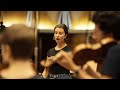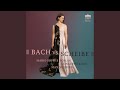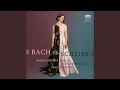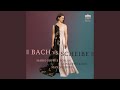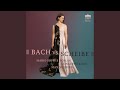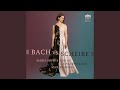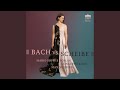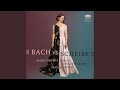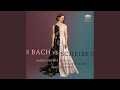
We are in London in the early 18th century. George Frideric Handel is the celebrated composer, opera entrepreneur and concert organizer there. The world-renowned early music ensemble Concerto Köln and oboist Clara Blessing tell the story of George Frideric Handel, the brothers Giuseppe & Giovanni Sammartini and the development of the oboe on the album “Most Celebrated”.

One day, Handel’s orchestra in London gains a new member: the oboist Giuseppe Sammartini, a recent immigrant from Italy to the European music metropolis on the Thames. He had already achieved a certain degree of fame in his home country, but in London he revolutionized oboe playing and helped the instrument achieve a breakthrough. Handel composed for him and Sammartini himself also created several works for his instrument that are still important today.

The music historian John Hawkins described the talent of the oboist Giuseppe Sammartini with the words: “Before his time, the sound of the instrument was coarse, even harsh and unpleasant to the ears in the hands of the most accomplished players; through intensive practicing and playing, and by a special shaping of the reed, he succeeded in producing such a tone that it came closer to the human voice than anyone else.” The specialist for historical instruments Clara Blessing is described in a similar way: Her playing is “full of emotional warmth”, writes the Kölner Stadtanzeiger, “it touches and inspires audiences and the press in concert halls and at festivals worldwide.” Clara Blessing has a long-standing friendship and collaboration with Concerto Köln.

For the album “Most Celebrated”, they have now recorded two concertos by Handel, two of his minuets and three arias and juxtaposed them with an oboe concerto by Giuseppe and two works by his brother Giovanni Sammartini. In addition to the oboe, the horns also play a significant role in some of the pieces. This instrument was already becoming increasingly popular and frequently used at the beginning of the 18th century. Woodwinds and brass alternate and enhance the musical enjoyment with breathtaking coloraturas. “Sometimes I play as a soloist, sometimes in a team with the second oboe, then as a distinct counterpart to the first horn”, explains Clara Blessing in the album booklet ”This mediating role, this flexibility, this quick jump from one costume to the other, that is the core of oboe playing for me.”

Once again, Concerto Köln proves how much passion there is in every single member of the ensemble. For more than 30 years, the orchestra with its unmistakable sound has been one of the leading ensembles in the field of historical performance practice. Firmly rooted in Cologne’s musical life and at the same time a regular guest in the world’s music capitals and at renowned festivals, Concerto Köln stands for outstanding interpretations of early music.
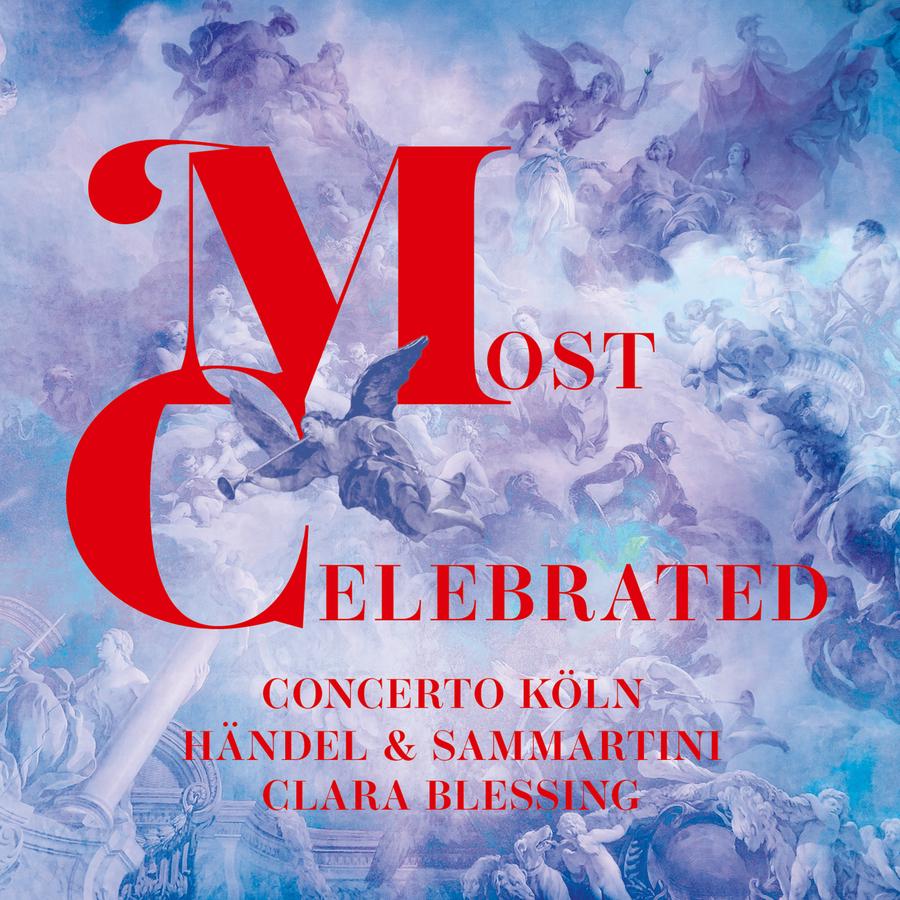
Most Celebrated Clara Blessing & Concerto Köln

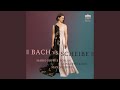
Release-Cover „Most Celebrated“ mit Concerto Köln und Clara Blessing. Barock inspirierte Grafik mit hellblauen Wolken- und Figurenmotiven und großer roter Typografie; helle, ornamentale Frontalansicht mit klassischer, festlicher Wirkung.

Artist

Clara Blessing
Clara Blessing
Gruppenporträt des Barockensembles Concerto Köln. Musikerinnen und Musiker mit Streichinstrumenten und Cembalo in einer Kirche, dunkle Konzertatmosphäre mit warmem Licht.
Concerto Köln

Composer

Giovanni Battista Sammartini
Giuseppe Sammartini
Georg Friedrich Händel

Further information

Genre

Klassik
Oboe

Publication date

25.10.2024


We are in London in the early 18th century. George Frideric Handel is the celebrated composer, opera entrepreneur and concert organizer there. The world-renowned early music ensemble Concerto Köln and oboist Clara Blessing tell the story of George Frideric Handel, the brothers Giuseppe & Giovanni Sammartini and the development of the oboe on the album “Most Celebrated”.


One day, Handel's orchestra in London gains a new member: the oboist Giuseppe Sammartini, a recent immigrant from Italy to the European music metropolis on the Thames. He had already achieved a certain degree of fame in his home country, but in London he revolutionized oboe playing and helped the instrument achieve a breakthrough. Handel composed for him and Sammartini himself also created several works for his instrument that are still important today.


The music historian John Hawkins described the talent of the oboist Giuseppe Sammartini with the words: “Before his time, the sound of the instrument was coarse, even harsh and unpleasant to the ears in the hands of the most accomplished players; through intensive practicing and playing, and by a special shaping of the reed, he succeeded in producing such a tone that it came closer to the human voice than anyone else.” The specialist for historical instruments Clara Blessing is described in a similar way: Her playing is “full of emotional warmth”, writes the Kölner Stadtanzeiger, “it touches and inspires audiences and the press in concert halls and at festivals worldwide.” Clara Blessing has a long-standing friendship and collaboration with Concerto Köln.


For the album “Most Celebrated”, they have now recorded two concertos by Handel, two of his minuets and three arias and juxtaposed them with an oboe concerto by Giuseppe and two works by his brother Giovanni Sammartini. In addition to the oboe, the horns also play a significant role in some of the pieces. This instrument was already becoming increasingly popular and frequently used at the beginning of the 18th century. Woodwinds and brass alternate and enhance the musical enjoyment with breathtaking coloraturas. “Sometimes I play as a soloist, sometimes in a team with the second oboe, then as a distinct counterpart to the first horn”, explains Clara Blessing in the album booklet ”This mediating role, this flexibility, this quick jump from one costume to the other, that is the core of oboe playing for me.”


Once again, Concerto Köln proves how much passion there is in every single member of the ensemble. For more than 30 years, the orchestra with its unmistakable sound has been one of the leading ensembles in the field of historical performance practice. Firmly rooted in Cologne's musical life and at the same time a regular guest in the world's music capitals and at renowned festivals, Concerto Köln stands for outstanding interpretations of early music.

Tracklist - These are the tracks you will hear on the album

Most Celebrated
Clara Blessing & Concerto Köln
1
I. Grave
2
II. Allegro
3
III. Largo moderato e cantabile
4
IV. Allegro
5
Minuet in G Major, HWV 422
6
Minuet G Major, HWV 423
7
I. Vivace
8
II. Adagio
9
III. Allegro
10
Voglio amare
11
I. Andante
12
II. Minuet spiritoso
13
I. Andante - Presto
14
II. Presto - Allegro assai - Andantino
15
Ah mio cor
16
Aria in F Major, HWV 410
17
I. Presto
18
II. Andante
19
III. Allegro

More videos from Clara Blessing & Concerto Köln

previous
next
Concerto Köln, Marie Sophie Pollak & Max Volbers - Bach vs. Scheibe (Offizieller Albumtrailer)
Lobet Gott in seinen Reichen, BWV 11: X. Aria. Jesu, deine Gnadenblicke
Himmelskönig, sei willkommen, BWV 182: I. Sonata
Die Auferstehung und Himmelfahrt Jesu, SchW B2:301: XIII. Aria. Willkommen, Heiland
Jauchzet Gott in allen Landen, BWV 51: I. Aria. Jauchzet Gott in allen Landen
Der Tempel des Ruhmes, Sinfonia in D Major: II. Larghetto
Süsser Trost, mein Jesus kömmt, BWV 151: I. Aria. Süsser Trost, mein Jesus kömmt
Wer sich rühmen will, SchW B2:204: V. Aria. Edle Unschuld, gib die Gründe
Geschwinde, ihr wirbelnden Winde, BWV 201: III. Aria. Patron, das macht der Wind
Der Tempel des Ruhmes, Sinfonia in D Major: I. Allegro assai
Sinfonia from Den døende Jesus, SchW B2:302
Ich hatte viel Bekümmernis, BWV 21: I. Sinfonia
Der Tempel des Ruhmes, Sinfonia in D Major: III. Presto
Sinfonia in D Major, BWV 1045

Other publications by Clara Blessing & Concerto Köln

{"email":"Email address invalid","url":"Website address invalid","required":"Required field missing"}