

“A wave of intrigue for the exotic guitar swept across Vienna during the first half of the 19th century and Schubert and Diabelli were in the midst of this so-called “Guitaromania”. Schubert never owned a piano, but had access to guitars and possibly even owned one or two. Also, many of Schubert’s close friends played guitar, including Mayrhofer, Vogl, Hüttenbrenner and Grillparzer. Schubert composed at a desk, not using any instrument, but many of his song accompaniments have an uncanny resemblance to guitar patterns. An example of this is his song Die Nacht, which was in most likelihood composed for guitar and voice – the accompaniment bearing a strong resemblance to the piano part of “Wohin?” from Die schöne Müllerin.”
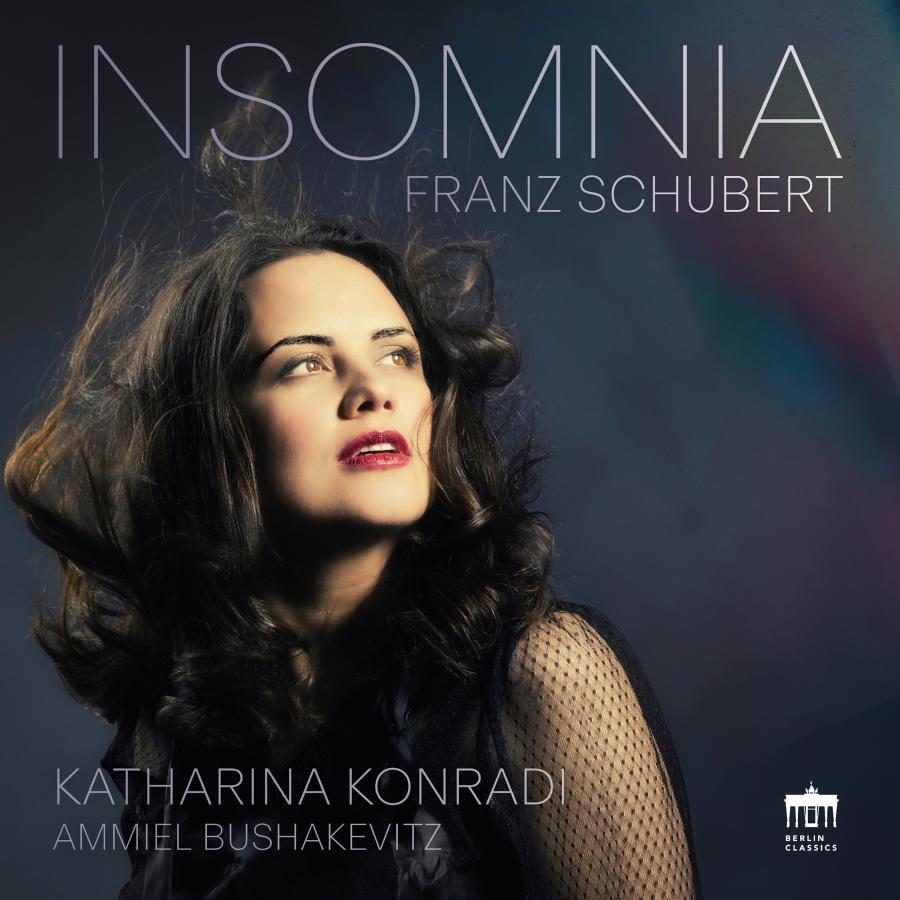
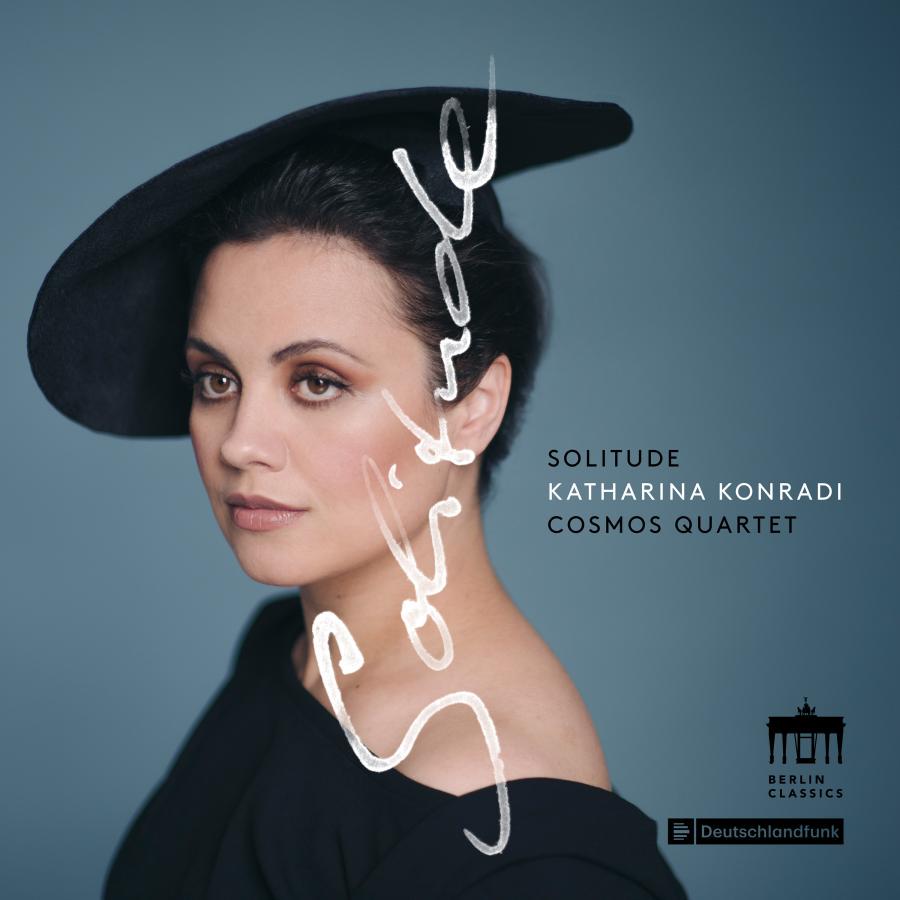
Ammiel Bushakevitz, guitarist, pianist and author of these lines, found a musical ally in soprano Katharina Konradi and in this recording of Schubert songs for piano and guitar.
The recording, co-produced with BR-KLASSIK and now released by Berlin Classics, is dedicated to the theme of “Insomnia”, Sleeplessness. Katharina Konradi writes about it:
“Night and sleep are two important companions of mine, they heal everything, and can restore our world to order over and over again. Even if it is only for the time that they last. The meaning of night as a healer is something that it took me time to understand. Doubt and fears, joy or sorrow: I try to put all that aside over night and decide the next morning what is true and what is not.”
The decision to arrange some of the Schubert songs for guitar was made intuitively by the musicians – Konradi’s soprano is, in Bushakevitz’s opinion, suited like no other for this delicate combination of instrument and voice. Katharina Konradi names the unique challenge of this combination as follows:
“With the guitar I had to set my voice at a new level, find a more intimate, lighter and maybe more relaxed tone. Because when I sing to the guitar, my bodily tension is different. I feel myself closer to my accompanist, almost as if we had a tacit agreement that we were making music just for ourselves. The great challenge then is to draw the audience into this intimacy and make them part of something almost secret.“