

A Symphony for Organ, Piano, and Rising Stars
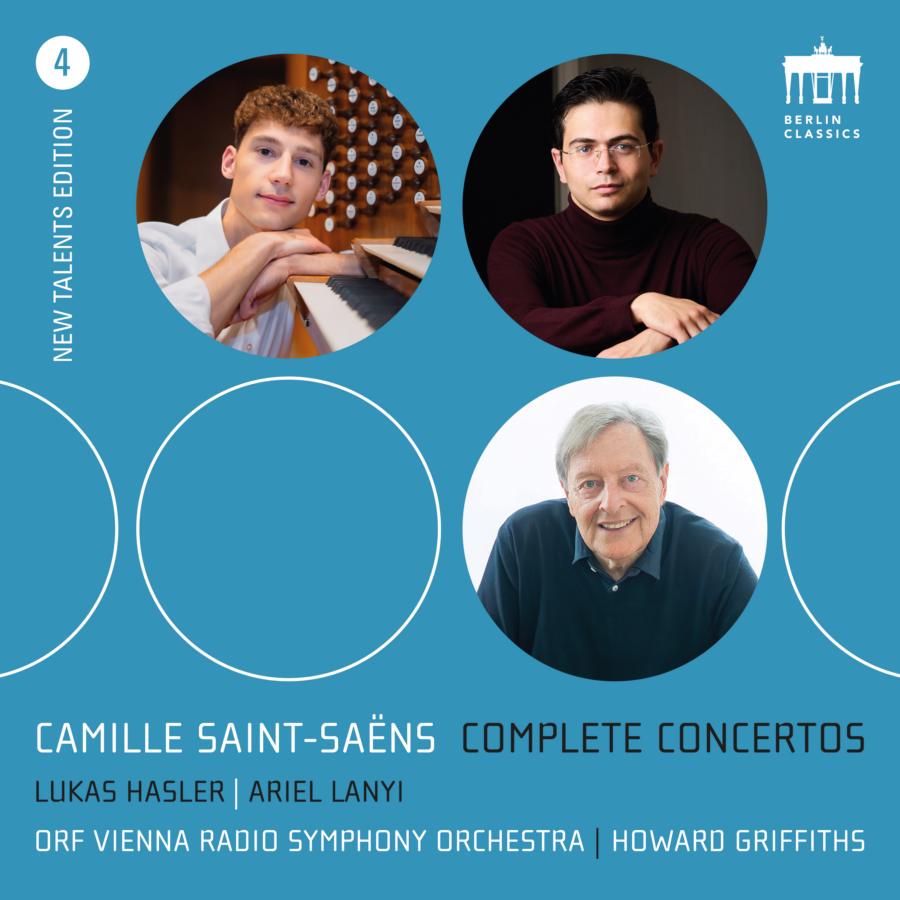
A sparkling piano and a vibrant, colorful orchestra come together with the powerful sound of the Rieger organ in the Golden Hall of the Vienna Musikverein. This collaboration gives rise to “Camille Saint-Saëns – Complete Concertos Vol. 4,” the fourth album in the New Talents Edition, to be released on October 30, 2026 by Berlin Classics. In keeping with the spirit of the album series, the focus is on two young soloists: Austrian organist Lukas Hasler and Israeli pianist Ariel Lanyi. Together with the ORF Vienna Radio Symphony Orchestra under the experienced baton of Howard Griffiths, they demonstrate just how fresh and contemporary Saint-Saëns’ concerto artistry can sound. The project is supported by the Swiss Orpheum Foundation and the Eppur si muove Foundation, also based in Switzerland, which bring young musicians together with outstanding partners and pave the way for their international careers.
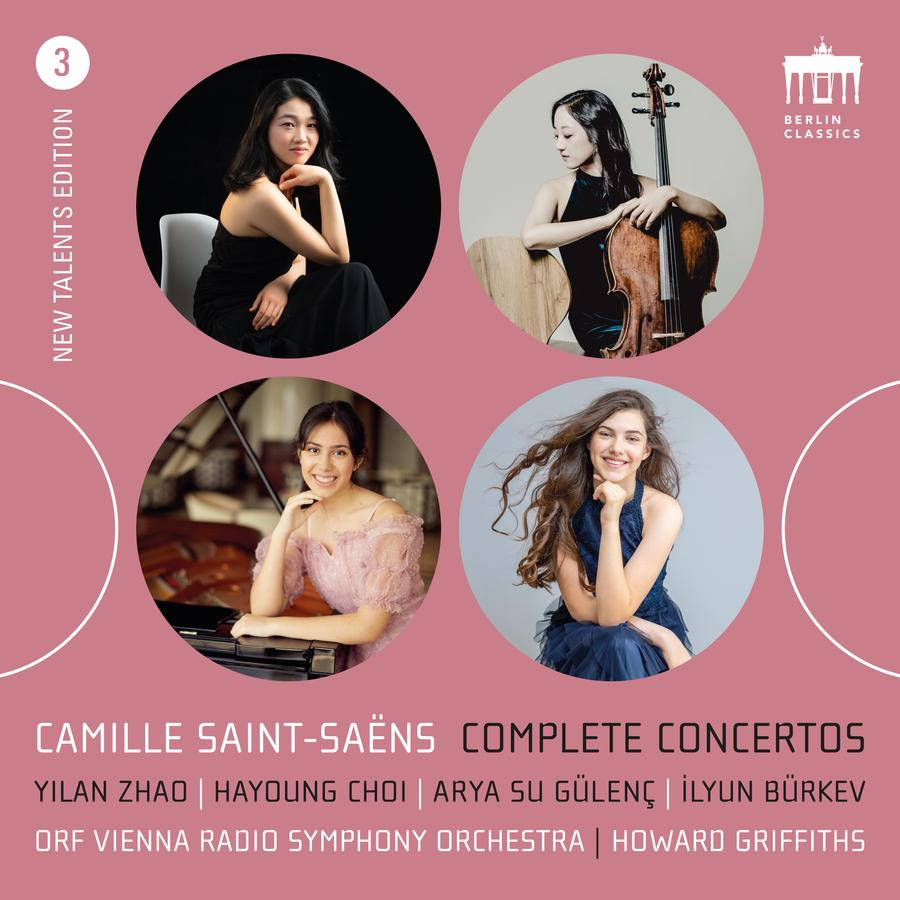
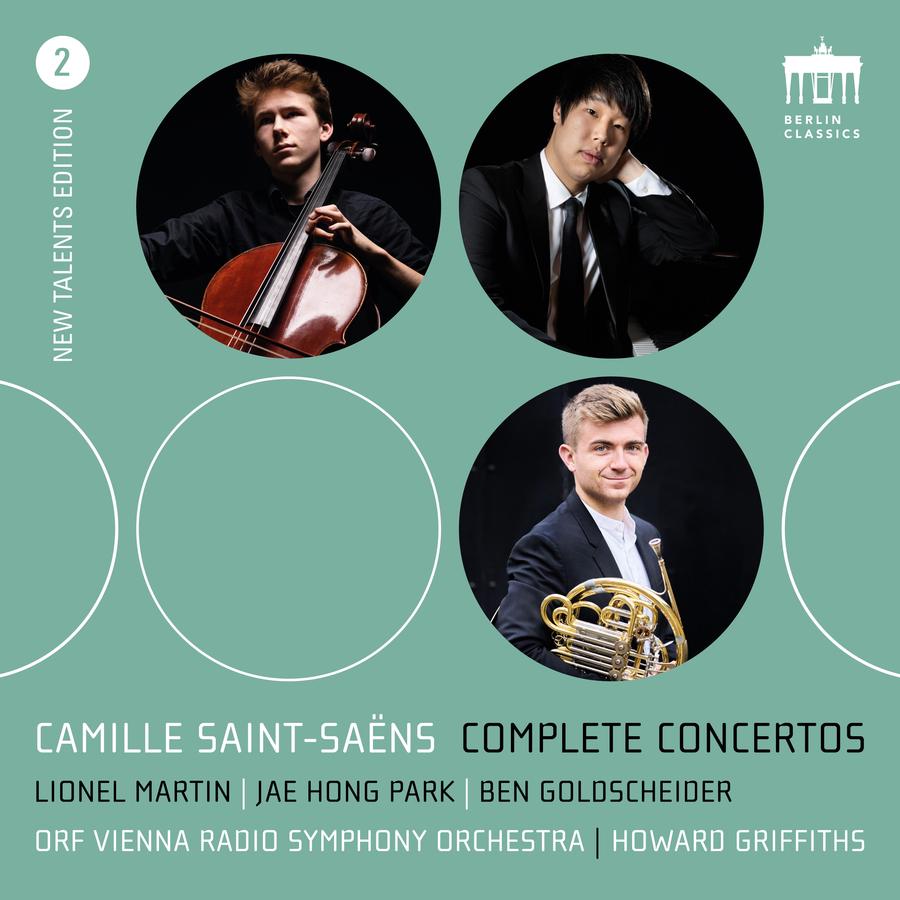
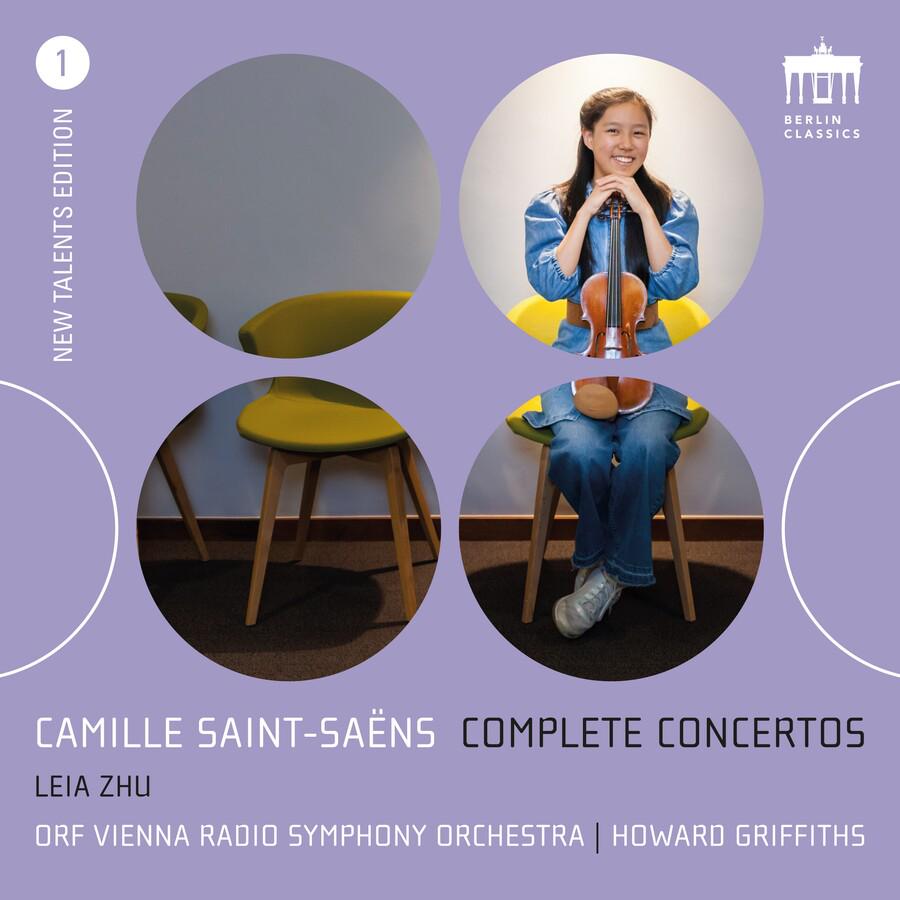
“Camille Saint-Saëns—Complete Concertos Vol. 4” highlights the breadth and diversity of the French composer’s concerto oeuvre from the perspective of a new generation. Following the OPUS-Klassik award-winning debut with violinist Leia Zhu (Vol. 1) and the subsequent albums Vol. 2 with Jae Hong Park (piano), Lionel Martin (cello), and Ben Goldscheider (horn), as well as Vol. 3 with Yilan Zhao (piano), Hayoung Choi (cello), and the piano duo Ilyun Bürkev and Arya Su Gülenç, this volume now focuses on the side of Saint-Saëns that earned him the reputation as the “world’s greatest organist” (Franz Liszt)—in dialogue with his virtuoso works for piano and orchestra.
At the heart of this recording is Saint-Saëns’s monumental Symphony No. 3 in C minor, Op. 78, the famous “Organ Symphony.” Here, the organ does not appear as an appended solo instrument but is deeply embedded within the symphonic fabric: at times laying a shimmering foundation beneath the orchestral sound, at other times setting powerful accents in the tutti. Lukas Hasler draws on the instrument’s full expressive range—from warm, solemn registers to powerful outbursts. In this way, he brings to life the symphony’s sweeping dramatic arc, culminating in its radiant conclusion in C major.
A direct counterpoint to the symphony’s grand gesture is Cyprès et Lauriers, Op. 156 for organ and orchestra, composed in 1919 as a musical response to the end of World War I. The first movement, “Cyprès,” weaves together dark, introspective lines and sighing motifs—a musical eulogy. In the second movement, “Lauriers,” the musical language transforms into a festive tribute: fanfares, rhythmic energy, and a triumphant conclusion transform the memory of the fallen into music of gratitude and relief. Hasler and the ORF Vienna Radio Symphony Orchestra trace this dramatic development with great tension and sonic finesse.
The second soloist on this album is pianist Ariel Lanyi. He performs two highly virtuosic concert pieces for piano and orchestra from 1884, which Saint-Saëns himself regarded as alternatives to his major piano concertos:
In the one-movement Allegro appassionato in C-sharp minor, Op. 70, Saint-Saëns condenses the form of a piano concerto into just a few minutes. From an unassuming three-note motif unfolds a forward-driving six-eighths movement in which lyrical gestures and brilliant figurative work incessantly interweave. Lanyi uses the brevity of the form to bring out characters and colors with the utmost conciseness.
The Rhapsodie d’Auvergne in C major, Op. 73 is a tribute to the folk music of Auvergne. Serenade-like sections, cantabile themes, and dance-like episodes blend into a freely flowing narrative in which Saint-Saëns combines melodic inspiration with a sure sense of form. Here, Lanyi spans the spectrum from heartfelt cantabile to a virtuosic final triumph—always elegantly embedded in the richly colored orchestration.
As in the previous albums in the series, the ORF Radio Symphony Orchestra Vienna serves as the central partner. Together with conductor Howard Griffiths, who has been closely associated with the Orpheum Foundation for many years, an atmosphere is created in which young soloists can perform on equal footing with an orchestra steeped in tradition. The combination of Viennese musical tradition, stylistic clarity, and openness to new voices also shapes this fourth album—a sonic snapshot of two young performers who carry on the concert art of Saint-Saëns with freshness, sincerity, and imagination. Vol. 4 adds yet another brilliant chapter to the vast concert landscape of Camille Saint-Saëns.
Camille Saint-Saëns: Complete Concertos (New Talents Edition #4) ORF Vienna Radio Symphony Orchestra & Howard Griffiths & Lukas Hasler & Ariel Lanyi
Artist

Composer



Further information
Genre
Klassik
Konzert / Soloinstrument mit Orchester
Publication date
30.10.2026
A Symphony for Organ, Piano, and Rising Stars
A sparkling piano and a vibrant, colorful orchestra come together with the powerful sound of the Rieger organ in the Golden Hall of the Vienna Musikverein. This collaboration gives rise to “Camille Saint-Saëns – Complete Concertos Vol. 4,” the fourth album in the New Talents Edition, to be released on October 30, 2026 by Berlin Classics. In keeping with the spirit of the album series, the focus is on two young soloists: Austrian organist Lukas Hasler and Israeli pianist Ariel Lanyi. Together with the ORF Vienna Radio Symphony Orchestra under the experienced baton of Howard Griffiths, they demonstrate just how fresh and contemporary Saint-Saëns’ concerto artistry can sound. The project is supported by the Swiss Orpheum Foundation and the Eppur si muove Foundation, also based in Switzerland, which bring young musicians together with outstanding partners and pave the way for their international careers.
“Camille Saint-Saëns—Complete Concertos Vol. 4” highlights the breadth and diversity of the French composer’s concerto oeuvre from the perspective of a new generation. Following the OPUS-Klassik award-winning debut with violinist Leia Zhu (Vol. 1) and the subsequent albums Vol. 2 with Jae Hong Park (piano), Lionel Martin (cello), and Ben Goldscheider (horn), as well as Vol. 3 with Yilan Zhao (piano), Hayoung Choi (cello), and the piano duo Ilyun Bürkev and Arya Su Gülenç, this volume now focuses on the side of Saint-Saëns that earned him the reputation as the “world’s greatest organist” (Franz Liszt)—in dialogue with his virtuoso works for piano and orchestra.
At the heart of this recording is Saint-Saëns’s monumental Symphony No. 3 in C minor, Op. 78, the famous “Organ Symphony.” Here, the organ does not appear as an appended solo instrument but is deeply embedded within the symphonic fabric: at times laying a shimmering foundation beneath the orchestral sound, at other times setting powerful accents in the tutti. Lukas Hasler draws on the instrument’s full expressive range—from warm, solemn registers to powerful outbursts. In this way, he brings to life the symphony’s sweeping dramatic arc, culminating in its radiant conclusion in C major.
A direct counterpoint to the symphony’s grand gesture is Cyprès et Lauriers, Op. 156 for organ and orchestra, composed in 1919 as a musical response to the end of World War I. The first movement, “Cyprès,” weaves together dark, introspective lines and sighing motifs—a musical eulogy. In the second movement, “Lauriers,” the musical language transforms into a festive tribute: fanfares, rhythmic energy, and a triumphant conclusion transform the memory of the fallen into music of gratitude and relief. Hasler and the ORF Vienna Radio Symphony Orchestra trace this dramatic development with great tension and sonic finesse.
The second soloist on this album is pianist Ariel Lanyi. He performs two highly virtuosic concert pieces for piano and orchestra from 1884, which Saint-Saëns himself regarded as alternatives to his major piano concertos:
In the one-movement Allegro appassionato in C-sharp minor, Op. 70, Saint-Saëns condenses the form of a piano concerto into just a few minutes. From an unassuming three-note motif unfolds a forward-driving six-eighths movement in which lyrical gestures and brilliant figurative work incessantly interweave. Lanyi uses the brevity of the form to bring out characters and colors with the utmost conciseness.
The Rhapsodie d’Auvergne in C major, Op. 73 is a tribute to the folk music of Auvergne. Serenade-like sections, cantabile themes, and dance-like episodes blend into a freely flowing narrative in which Saint-Saëns combines melodic inspiration with a sure sense of form. Here, Lanyi spans the spectrum from heartfelt cantabile to a virtuosic final triumph—always elegantly embedded in the richly colored orchestration.
As in the previous albums in the series, the ORF Radio Symphony Orchestra Vienna serves as the central partner. Together with conductor Howard Griffiths, who has been closely associated with the Orpheum Foundation for many years, an atmosphere is created in which young soloists can perform on equal footing with an orchestra steeped in tradition. The combination of Viennese musical tradition, stylistic clarity, and openness to new voices also shapes this fourth album—a sonic snapshot of two young performers who carry on the concert art of Saint-Saëns with freshness, sincerity, and imagination. Vol. 4 adds yet another brilliant chapter to the vast concert landscape of Camille Saint-Saëns.
Tracklist - These are the tracks you will hear on the album
Camille Saint-Saëns: Complete Concertos (New Talents Edition #4)
ORF Vienna Radio Symphony Orchestra & Howard Griffiths & Lukas Hasler & Ariel Lanyi
1
Ia. Adagio - Allegro Moderato - Poco Adagio
2
Ib. Poco Adagio
3
IIa. Allegro Moderato - Presto
4
IIb. Maestoso - Piú Allegro - Molto Allegro
5
I. Cyprès
6
II. Lauriers
7
Allegro Appassionato, Op. 70
8
Rhapsodie D'auvergne, Op. 73