Traditional winter mood

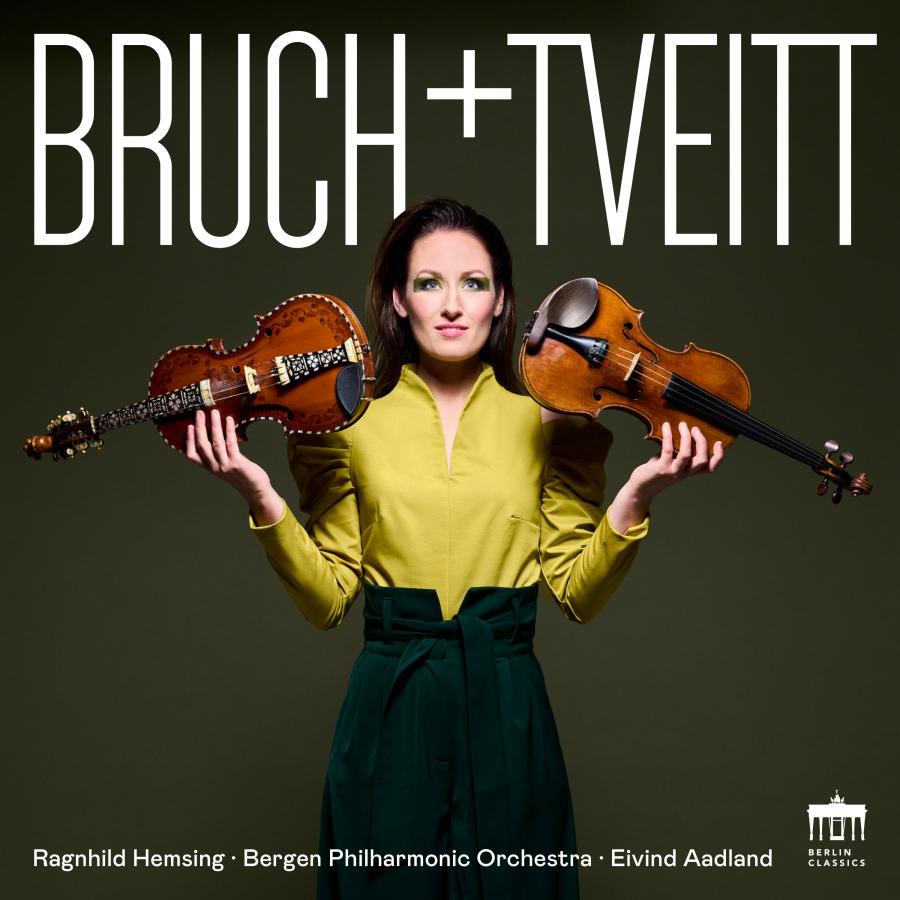
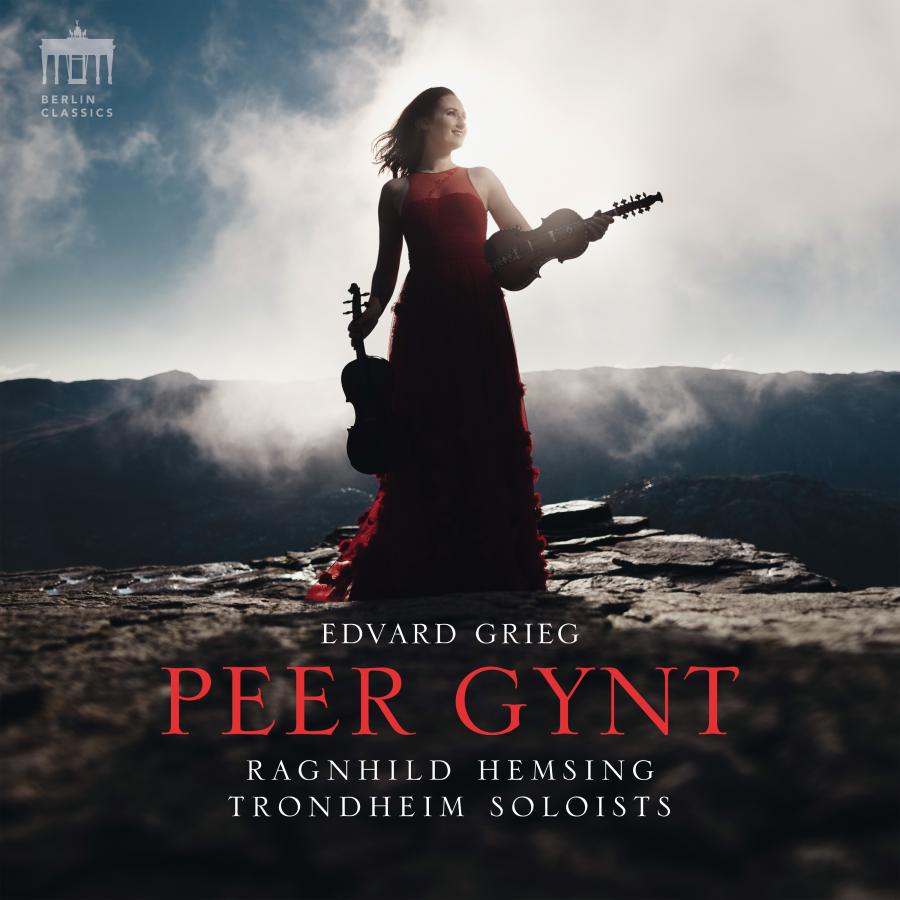
The Norwegian violinist Ragnhild Hemsing has always incorporated old, Norwegian traditions on her three previous albums for Berlin Classics. This is mainly due to the fact that she not only plays the modern violin, but also the traditional Hardanger fiddle. Already on her first album “Røta” (meaning roots) she played chamber music with the Hardanger fidde. The album was awarded the OPUS Klassik. On the album “Peer Gynt” she played a very original version of Grieg’s drama music together with the Trondheim Soloists. And on her last album she presented violin concertos as well as Hardanger-concertos together with the Bergen Philharmonic Orchestra. Ragnhild Hemsing is thus not only an interpreter and representative of Norwegian musical tradition, but also preserves it and leads it into the modern age. In keeping with the pre-Christmas season, she dives deep into the musical tradition of her home region of Valdres on her new album “Vetra”. Winter is the central theme in all her works. The word “Vetra” comes from the dialect spoken in Valdes and means winter. In addition, she has gathered a group of outstanding musicians around her, all of whom are also very familiar with Norwegian musical history. The album will be out on CD, VINYL, as well as on all streaming services.
Some folk melodies are old, very old indeed. In the past, melodies and especially church songs were only ever passed on from mouth to mouth. Much was lost, some was changed again and again. The Norwegian folk song tradition has a very long history and much has been preserved and handed down to this day. This is mainly thanks to the composer and scientist Ludvig Mathias Lindeman. He lived in Norway from 1812 to 1887 and travelled the various valleys and regions – always in search of myths and legends, melodies and verses. He published a twelve-volume collection of folk songs under the title “Ældre og nyere norske Fjeldmelodier”. In 1884 Lindeman also came to the Valdres region and recorded 86 church songs and 83 other melodies there. In Norway, these folk melodies, songs and dances are called “slåtter”. It is above all the traditions of her homeland that Ragnhild Hemsing has drawn on for her album “Vetra”.

For her album, Ragnhild Hemsing first recorded five traditional “slåtter” and orientated herself on Lindeman’s recordings. In these works, not only the Hardanger fiddle plays a major role, but also the instrument “Langeleik”, a kind of zither. This is masterfully played by Ole and Knut Aastad Bråten. Ranghild Hemsing even goes one step further and improvises her own ideas on it. This ability makes her an outstanding exception among modern violinists and interpreters. The slåtter mainly deal with old myths and legends. In “Langeberglätten”, for instance, the mythical creature “Huldra” plays a role again. She usually appears as a woman with a cow’s tail and was already taken up on their last album in a composition by Sigurd Lie
In addition, there are seven selected folk melodies that have their origin in church songs. Especially with church songs, the tradition is not always clear. Usually only the sung text was written down, but not the melody. As a result, very different ways of playing the same text often developed. Thanks to Ludvig M. Lindeman, many tunes were finally written down and recorded. On his journey, for example, he heard and wrote down the melody to “The Eighth Commandment from Sinai” (Det ottande bud på Sinai), played by the fiddler Anders Nilsen Pelesteinsbakken from Hedalen, the great-great-great grandfather of Ragnhild Hemsing.

An exciting development on the side: later Edvard Grieg borrowed this melody and used it in his Ballade in G minor, op. 24, and the composer Sigurd Islandsmoen, also born in Valdres, used it in his choral work Requiem, op. 42. Journalist and specialist in Norwegian folk traditions Kjell Bitustøyl describes in detail in the booklet how important Lindeman’s work was. Only in this way could many traditions be preserved and further developed. This is exactly why Ragnhild Hemsing has also composed two new slåtter and recorded them for the album “Vetra”: “Vetrahalling” and “Vinterstemning”. She thus joins a large group of musicians and composers who are breaking new ground and opening up new horizons. “For me, this has been an exciting musical journey in which the melodies have been artistically reworked. This reworking of our priceless heritage is an entirely new endeavour,” she writes in the album’s enclosed booklet.

For this recording, Ragnhild Hemsing brought many friends and well-known greats of the Norwegian folk song tradition into the recording studio: Mathias Eick (trumpet) and Terje Isungset (drums), folk musicians Ole and Knut Aastad Bråten (langeleik) as well as strings Marthe Husum (viola), Frida Fredrikke Waaler Wærvågen (cello) and Nikolai Matthews (double bass). Several of the works were arranged by Tormod Tvete Vik, with whom she has already collaborated on the albums “Røta” and “Peer Gynt”.
Vetra Ragnhild Hemsing

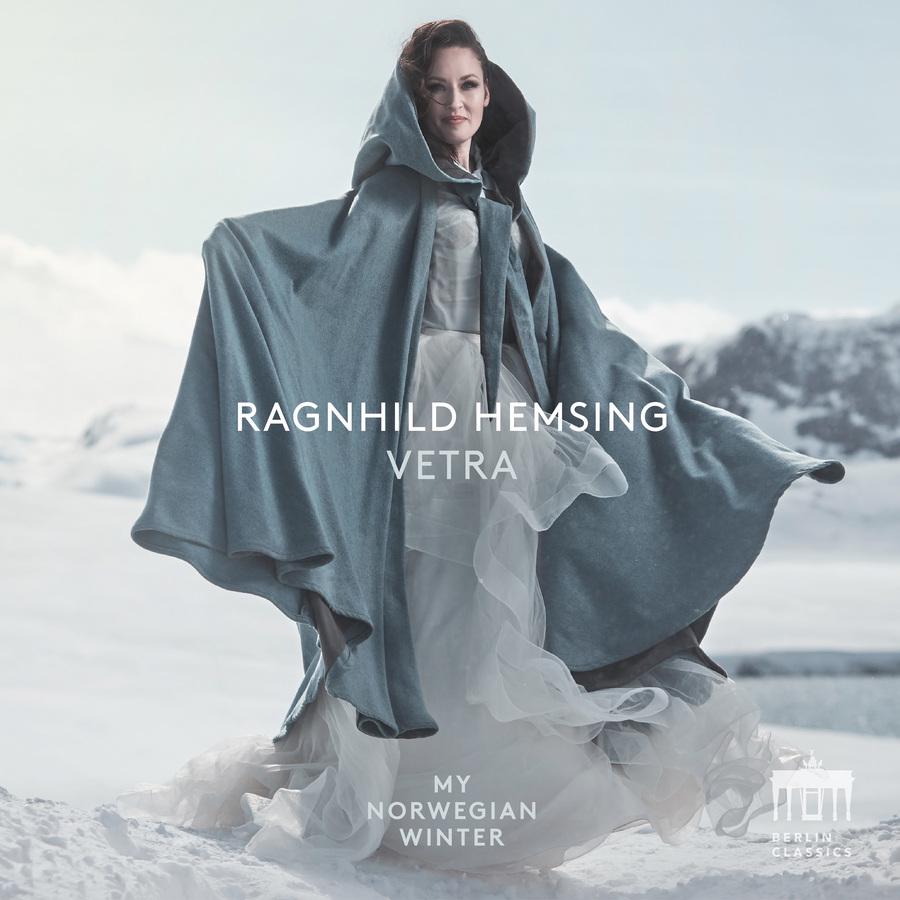
Release-Cover „Vetra“ von Violinistin Ragnhild Hemsing. Ganzkörperporträt in weitem graublauem Mantelkleid in verschneiter Winterlandschaft; kühle Weiß- und Blautöne, frontale Pose und helle, nordische Lichtstimmung.

Composer

Traditional

Further information

Genre

Klassik

Publication date

03.11.2023


Traditional winter mood


The Norwegian violinist Ragnhild Hemsing has always incorporated old, Norwegian traditions on her three previous albums for Berlin Classics. This is mainly due to the fact that she not only plays the modern violin, but also the traditional Hardanger fiddle. Already on her first album "Røta" (meaning roots) she played chamber music with the Hardanger fidde. The album was awarded the OPUS Klassik. On the album "Peer Gynt" she played a very original version of Grieg's drama music together with the Trondheim Soloists. And on her last album she presented violin concertos as well as Hardanger-concertos together with the Bergen Philharmonic Orchestra. Ragnhild Hemsing is thus not only an interpreter and representative of Norwegian musical tradition, but also preserves it and leads it into the modern age. In keeping with the pre-Christmas season, she dives deep into the musical tradition of her home region of Valdres on her new album "Vetra". Winter is the central theme in all her works. The word "Vetra" comes from the dialect spoken in Valdes and means winter. In addition, she has gathered a group of outstanding musicians around her, all of whom are also very familiar with Norwegian musical history. The album will be out on CD, VINYL, as well as on all streaming services.

Some folk melodies are old, very old indeed. In the past, melodies and especially church songs were only ever passed on from mouth to mouth. Much was lost, some was changed again and again. The Norwegian folk song tradition has a very long history and much has been preserved and handed down to this day. This is mainly thanks to the composer and scientist Ludvig Mathias Lindeman. He lived in Norway from 1812 to 1887 and travelled the various valleys and regions - always in search of myths and legends, melodies and verses. He published a twelve-volume collection of folk songs under the title "Ældre og nyere norske Fjeldmelodier". In 1884 Lindeman also came to the Valdres region and recorded 86 church songs and 83 other melodies there. In Norway, these folk melodies, songs and dances are called "slåtter". It is above all the traditions of her homeland that Ragnhild Hemsing has drawn on for her album "Vetra".


For her album, Ragnhild Hemsing first recorded five traditional "slåtter" and orientated herself on Lindeman's recordings. In these works, not only the Hardanger fiddle plays a major role, but also the instrument "Langeleik", a kind of zither. This is masterfully played by Ole and Knut Aastad Bråten. Ranghild Hemsing even goes one step further and improvises her own ideas on it. This ability makes her an outstanding exception among modern violinists and interpreters. The slåtter mainly deal with old myths and legends. In "Langeberglätten", for instance, the mythical creature "Huldra" plays a role again. She usually appears as a woman with a cow's tail and was already taken up on their last album in a composition by Sigurd Lie

In addition, there are seven selected folk melodies that have their origin in church songs. Especially with church songs, the tradition is not always clear. Usually only the sung text was written down, but not the melody. As a result, very different ways of playing the same text often developed. Thanks to Ludvig M. Lindeman, many tunes were finally written down and recorded. On his journey, for example, he heard and wrote down the melody to "The Eighth Commandment from Sinai" (Det ottande bud på Sinai), played by the fiddler Anders Nilsen Pelesteinsbakken from Hedalen, the great-great-great grandfather of Ragnhild Hemsing.


An exciting development on the side: later Edvard Grieg borrowed this melody and used it in his Ballade in G minor, op. 24, and the composer Sigurd Islandsmoen, also born in Valdres, used it in his choral work Requiem, op. 42. Journalist and specialist in Norwegian folk traditions Kjell Bitustøyl describes in detail in the booklet how important Lindeman's work was. Only in this way could many traditions be preserved and further developed. This is exactly why Ragnhild Hemsing has also composed two new slåtter and recorded them for the album "Vetra": "Vetrahalling" and "Vinterstemning". She thus joins a large group of musicians and composers who are breaking new ground and opening up new horizons. "For me, this has been an exciting musical journey in which the melodies have been artistically reworked. This reworking of our priceless heritage is an entirely new endeavour," she writes in the album's enclosed booklet.


For this recording, Ragnhild Hemsing brought many friends and well-known greats of the Norwegian folk song tradition into the recording studio: Mathias Eick (trumpet) and Terje Isungset (drums), folk musicians Ole and Knut Aastad Bråten (langeleik) as well as strings Marthe Husum (viola), Frida Fredrikke Waaler Wærvågen (cello) and Nikolai Matthews (double bass). Several of the works were arranged by Tormod Tvete Vik, with whom she has already collaborated on the albums "Røta" and "Peer Gynt".

Tracklist - These are the tracks you will hear on the album

Vetra
Ragnhild Hemsing
1
Nu Rinder Solen Op Af Østerlide
2
Vetrahalling
3
Langeberglåtten
4
Jeg Vet Et Evigt Himmelrig
5
Vinterstemning
6
Det Ottande Bud På Sinai
7
I Oletjedn, I Olekinn
8
Jesus Kristus Er Oppfaren 
9
Ringjetøsja  
10
Se Solens Skjønne Lys Og Prakt
11
Prim I Dullare
12
Et Barn Er Født I Betlehem
13
Kome Nord!
14
Mitt Hjerte Alltid Vanker

More videos from Ragnhild Hemsing

previous
next
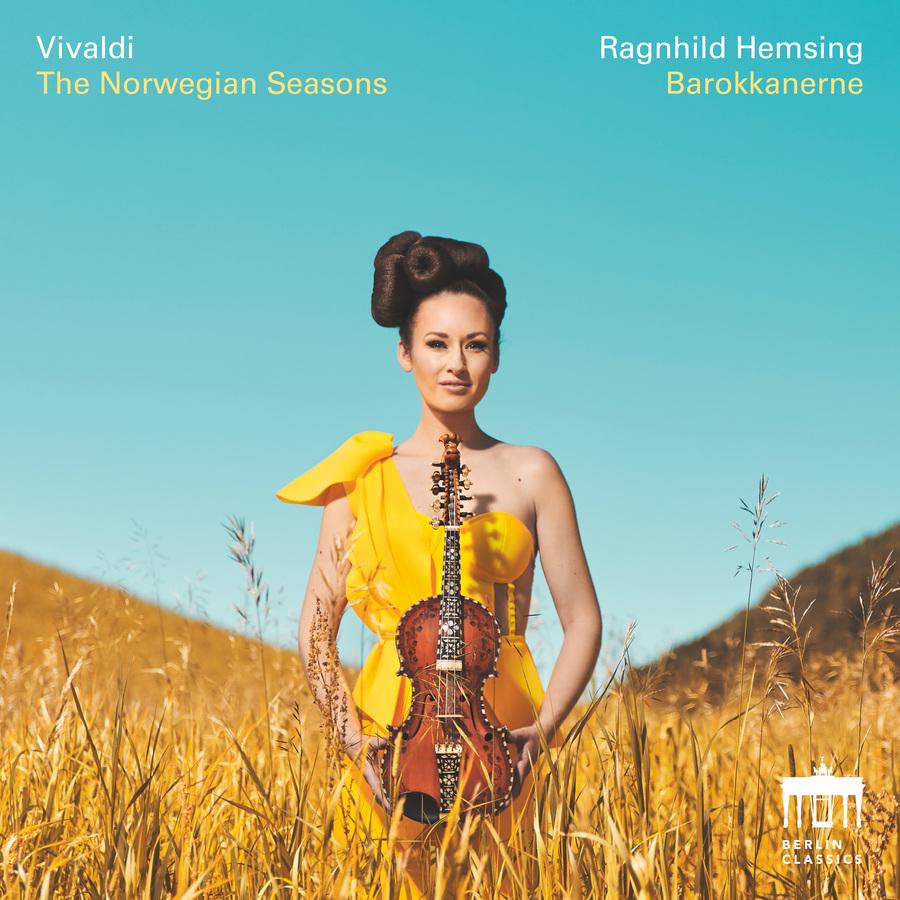
Ragnhild Hemsing - Vivaldi: The Norwegian Seasons (Offizieller Albumtrailer)
Ragnhild Hemsing - Vivaldi: Concerto No. 4 in F Minor, Winter: II. Largo (Offizielles Musikvideo)
Ragnhild Hemsing - Vivaldi: Concerto No. 1 in E Major, Spring: I. Allegro (Offizielles Musikvideo)
Ragnhild Hemsing - Vivaldi: Concerto No. 2 in G Minor, Summer: III. Presto (Offizielles Musikvideo)
Ragnhild Hemsing - Vetrahalling
Ragnhild Hemsing - Vetra (Offizieller Albumtrailer)
Ragnhild Hemsing - Vinterstemning (Offizielles Musikvideo)
Ragnhild Hemsing - Vetrahalling (Offizielles Musikvideo)
Ragnhild Hemsing - Langeberglåtten (Offizielles Musikvideo)
Ragnhild Hemsing: Bruch & Tveitt (Offizieller Albumtrailer) #berlinclassics
Ragnhild Hemsing, Bergen Philharmonic Orchestra & Eivind Aadland -
Ragnhild Hemsing - Edvard Grieg - Peer Gynt: Solveig's Song (Offizielles Musikvideo) #BerlinClassics
Ragnhild Hemsing & Trondheim Soloists - Grieg: In the Hall of the Mountain King (Hardangerfiedel)
Ragnhild Hemsing & Trondheim Soloists - Peer Gynt (Arr. for Hardanger Fiddle, Violin and Orchestra)
Ragnhild Hemsing - Allt under himmelens fäste, Op. 27/1 | Hardanger Fiddle (Johan Svendsen)
{"email":"Email address invalid","url":"Website address invalid","required":"Required field missing"}